
Polished Vs Honed Stone: Understanding the Key Differences
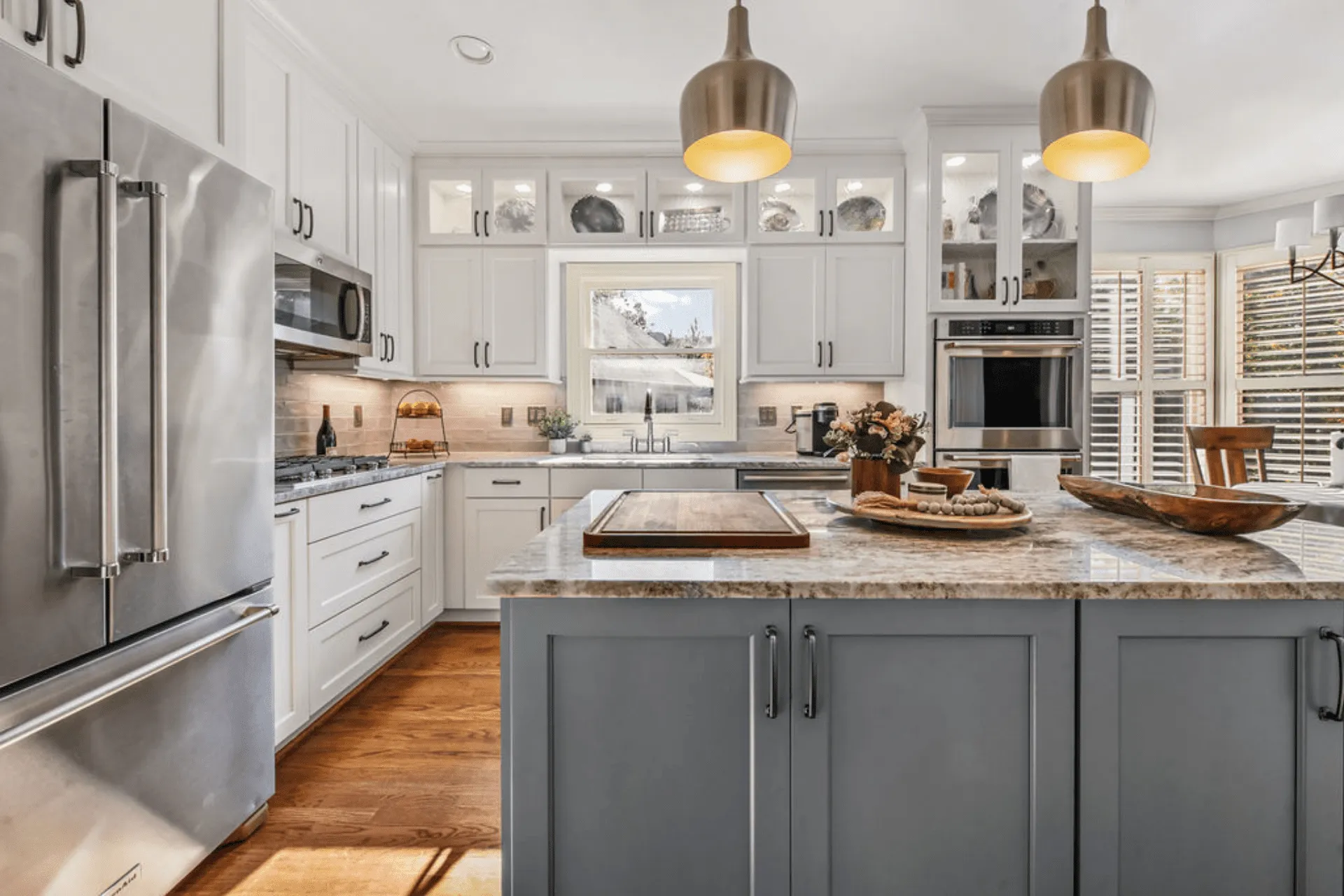
When it comes to choosing between polished and honed stones for your next project, you might find yourself contemplating the subtle yet significant differences that set them apart. The decision between these finishes goes beyond mere aesthetics; it explores functionality, maintenance, and overall ambiance they bring to a space. Understanding the key disparities between polished and honed stones can help you make an informed choice that aligns seamlessly with your design vision and practical requirements. So, before making your decision, consider the nuances that each finish offers to guarantee the perfect fit for your project.
Shine and Reflectivity
When comparing polished and honed stone, the shine and reflectivity levels are noticeably distinct. Polished stone surfaces offer a glossy finish that exudes modern elegance. The light reflection on polished stone is intense, creating a visual impact that enhances the ambiance of any room. The high shine intensity of polished stone adds a touch of sophistication and luxury to the overall design. This glossy finish is perfect for spaces where you want to make a bold statement and create an atmosphere of opulence.
On the other hand, honed stone surfaces have a matte finish that brings understated beauty to any space. The reflectivity levels of honed stone are lower compared to polished stone, giving it a more subdued and softer appearance. The matte surface of honed stone provides a sense of warmth and coziness to a room, making it ideal for creating a relaxed and inviting atmosphere. The design versatility of honed stone allows it to be used in various settings, from rustic to contemporary, adding a touch of sophistication while maintaining a more subtle and understated look.
Maintenance Requirements
Considering the differences in surface texture and feel between polished and honed stone, it is important to understand the distinct maintenance requirements associated with each option. Polished stone, with its glossy and reflective surface, requires regular cleaning to maintain its shine. Using mild soap and water or a pH-neutral cleaner is recommended for routine cleaning. Avoid harsh chemicals that can dull the polish over time. Additionally, polished stone often needs to be resealed more frequently compared to honed stone to prevent staining and etching.
On the other hand, honed stone, with its matte finish and smooth feel, is less prone to showing watermarks and etching, making it easier to maintain in high traffic areas. While honed stone does not require frequent sealing like polished stone, it is still essential to seal it periodically to prevent staining. When cleaning honed stone, you can also use mild soap and water, but be cautious with acidic substances that can damage the surface.
Regardless of the type of stone finish you choose, regular care and maintenance are vital to prolonging its lifespan. For tougher stains or deep cleaning, consider professional maintenance to safeguard your stone surfaces, so that they remain in top condition for years to come.
Durability and Longevity
Understanding the differences in durability and longevity between polished and honed stone can help you make informed decisions for your specific needs and preferences. Polished stone surfaces are known for their high resistance strength, making them excellent choices for areas that experience heavy foot traffic or potential impact. The polishing process not only enhances the stone’s natural beauty but also improves its wear resistance, making it less prone to scratches and abrasions compared to honed stone.
In terms of weathering resistance, honed stone may have a slight edge over polished stone due to its matte finish, which can sometimes better conceal etches and stains. However, polished stone can be sealed to increase its weathering resistance, narrowing the gap between the two finishes. When it comes to lifespan comparisons, both polished and honed stone are durable choices that can last for decades when properly cared for. Polished stone may require more frequent resealing to maintain its shine and protective layer, while honed stone generally has lower maintenance needs.
Ultimately, the choice between polished and honed stone for your project will depend on factors such as the level of traffic the surface will endure, desired aesthetics, and maintenance preferences. Consider these durability and longevity factors carefully to make sure your stone surface meets your expectations and stands the test of time.
Design Aesthetics and Applications
Enhance your space with the distinct visual appeal of polished and honed stone surfaces for various design applications. When it comes to color variations, honed stones tend to showcase a more subtle and muted palette, ideal for creating a calming and earthy ambiance in your space. On the other hand, polished stones boast vibrant and rich colors that can add a touch of luxury and sophistication to any room.
In terms of design versatility, honed stones are often favored for their more understated and natural look, making them suitable for rustic or traditional interior designs. Polished stones, with their reflective surfaces and sleek finish, are perfect for achieving a modern elegance in contemporary settings. Whether you are aiming for a cozy farmhouse kitchen or a chic urban living room, there is a stone finish to complement your vision.
The natural beauty of both polished and honed stones shines through in their unique textures and patterns, adding character and charm to any space. When considering interior vs exterior applications, honed stones are commonly chosen for indoor areas like bathrooms and kitchens due to their slip-resistant nature. In contrast, polished stones are often preferred for outdoor spaces such as patios and pool surrounds, where their glossy finish can elevate the overall look of the area.
Elevating Your Space
Both polished and honed stone offer excellent durability and longevity when properly cared for, with polished stone exhibiting higher resistance strength and wear resistance. The choice between these two finishes ultimately depends on your desired aesthetic, functionality, and maintenance preferences.
By understanding the nuances of shine, reflectivity, surface texture, maintenance requirements, durability, and design versatility, you can make an informed decision that aligns with your project’s specific needs. Whether you opt for the luxurious appeal of polished stone or the understated elegance of honed stone, each finish offers unique benefits that can elevate the overall look and feel of your space.